No Kings March
Eight Million People Took the Streets. Now What?

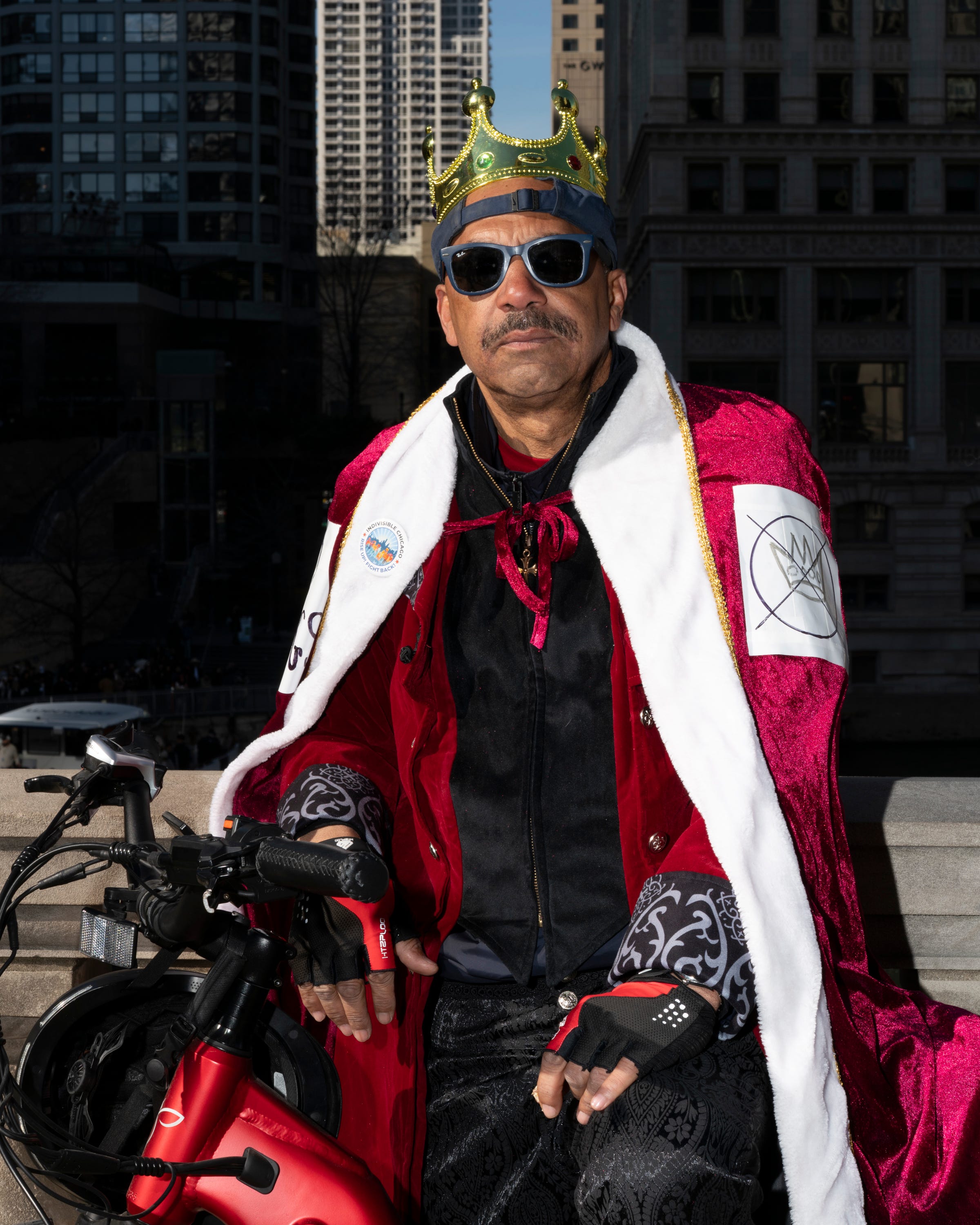
On Saturday, March 28th, roughly 8 million Americans took to the streets for the No Kings March. People gathered in all 50 states, in cities, suburbs, and small towns alike. This was likely the largest single-day demonstration in American history. That is no small feat, but it’s also not the finish line.
In 2011, Harvard political scientist Erica Chenoweth and her colleague Maria Stephan published what would become one of the most cited studies in the field of civil resistance. Analyzing 323 violent and nonviolent campaigns waged between 1900 and 2006, they arrived at a striking conclusion: nonviolent campaigns were twice as likely to succeed as those based on violence.
More striking still was what determined success within nonviolent movements. Every campaign that succeeded had mobilized at least 3.5 percent of the population in sustained protest. For the United States, that figure is approximately 11.5 million people.¹ Saturday’s turnout fell short of that threshold by more than three million. Still, no single demonstration in recent American history has come this close.
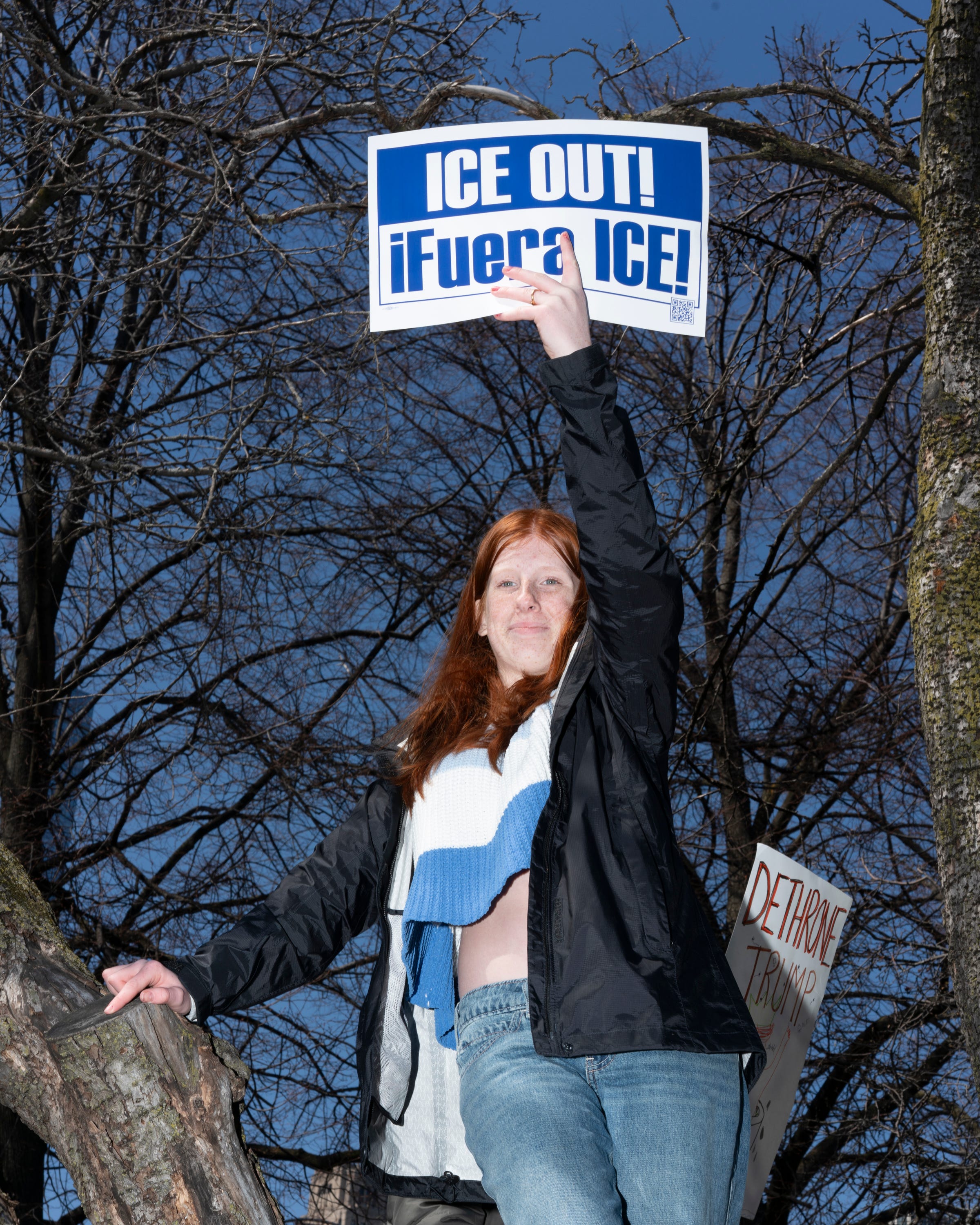
Chenoweth’s research also makes clear that scale alone is not enough. Effective movements depend on disciplined leadership that organizes for the long term; designs adaptable campaigns, applies pressure across multiple fronts, and sustains it over time.² The nature of participation matters as much as its size.
In 1986, millions of Filipinos took to the streets in the People Power movement. The Marcos regime collapsed on the fourth day. In 2003, Georgians ousted their authoritarian leader through the Rose Revolution, a bloodless uprising in which protesters stormed parliament carrying flowers. These were not movements that simply filled streets. They were movements with real organizational infrastructure.
The American civil rights movement tells the same story. The March on Washington in 1963 is the image that lives in our memory. But the movement was built from years of boycotts, legal challenges, voter registration drives, and daily community organizing that came before that march and continued long after the cameras left. The march was the visible surface. The deeper work happened in church basements, law offices, and precinct meetings, in efforts that rarely made the evening news.
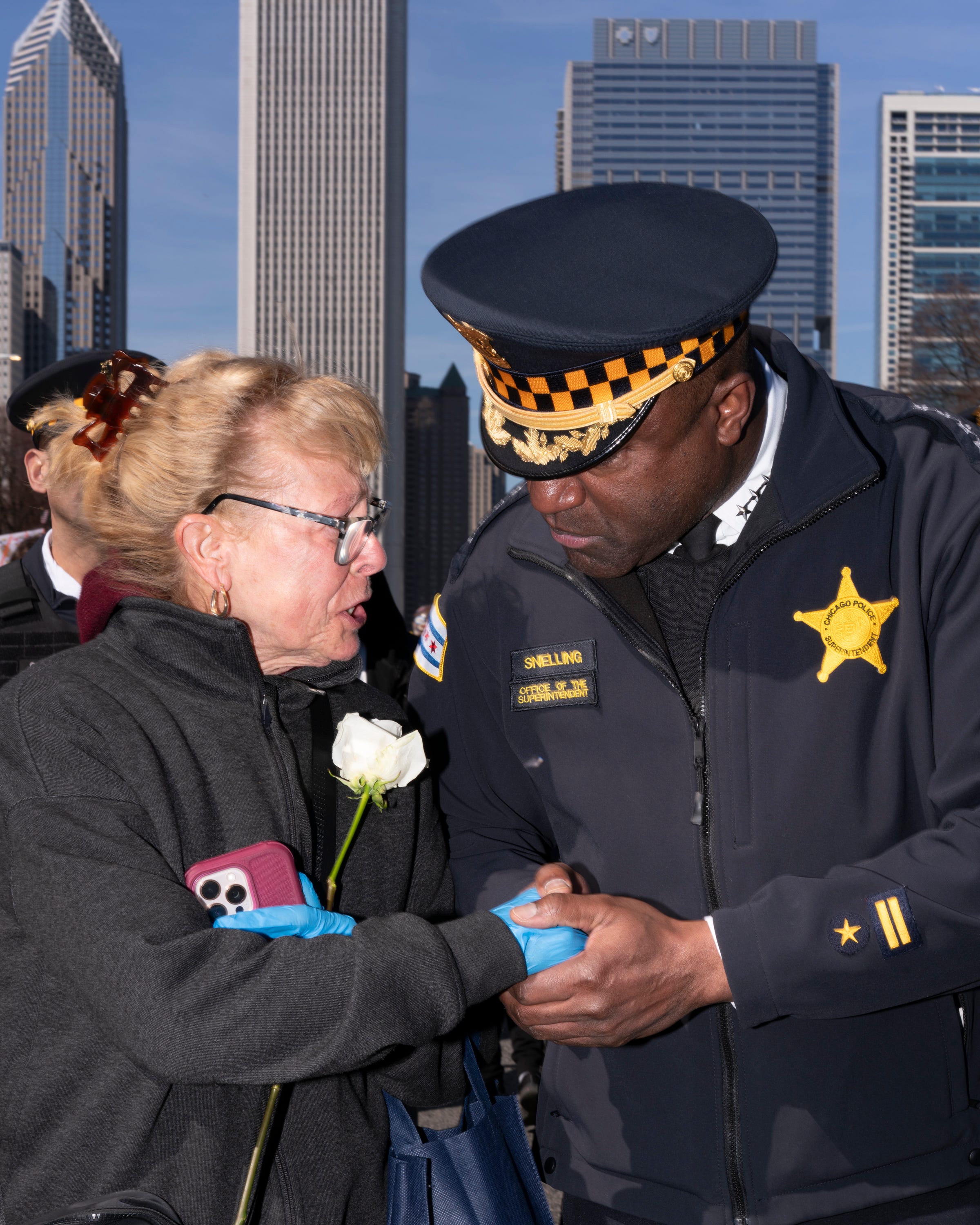
No Kings organizers have now staged three major mobilizations in under a year. The turnout has grown at every one: roughly 5 million in June, 7 million in October, and 8 million this past Saturday. That trajectory does not describe a movement burning out. It describes a movement accelerating.
Participation has spread into suburbs, exurbs, and rural communities where this kind of organizing has historically found little traction. According to organizers, roughly two-thirds of rally registrations came from outside major urban centers, including in conservative-leaning states. That geographic reach matters. Movements confined to cities can be politically contained. Movements that take root across a broader landscape are considerably harder to dismiss.
That is significant progress, and it deserves recognition. But persistence is not the same as power. A march is the spectacle of a movement, not the movement itself. Chenoweth cautioned that organizing only to hit participation benchmarks can produce a loud but ultimately ineffective minority, with little chance of lasting victory.³ The machinery of government responds to consequence, not expression.
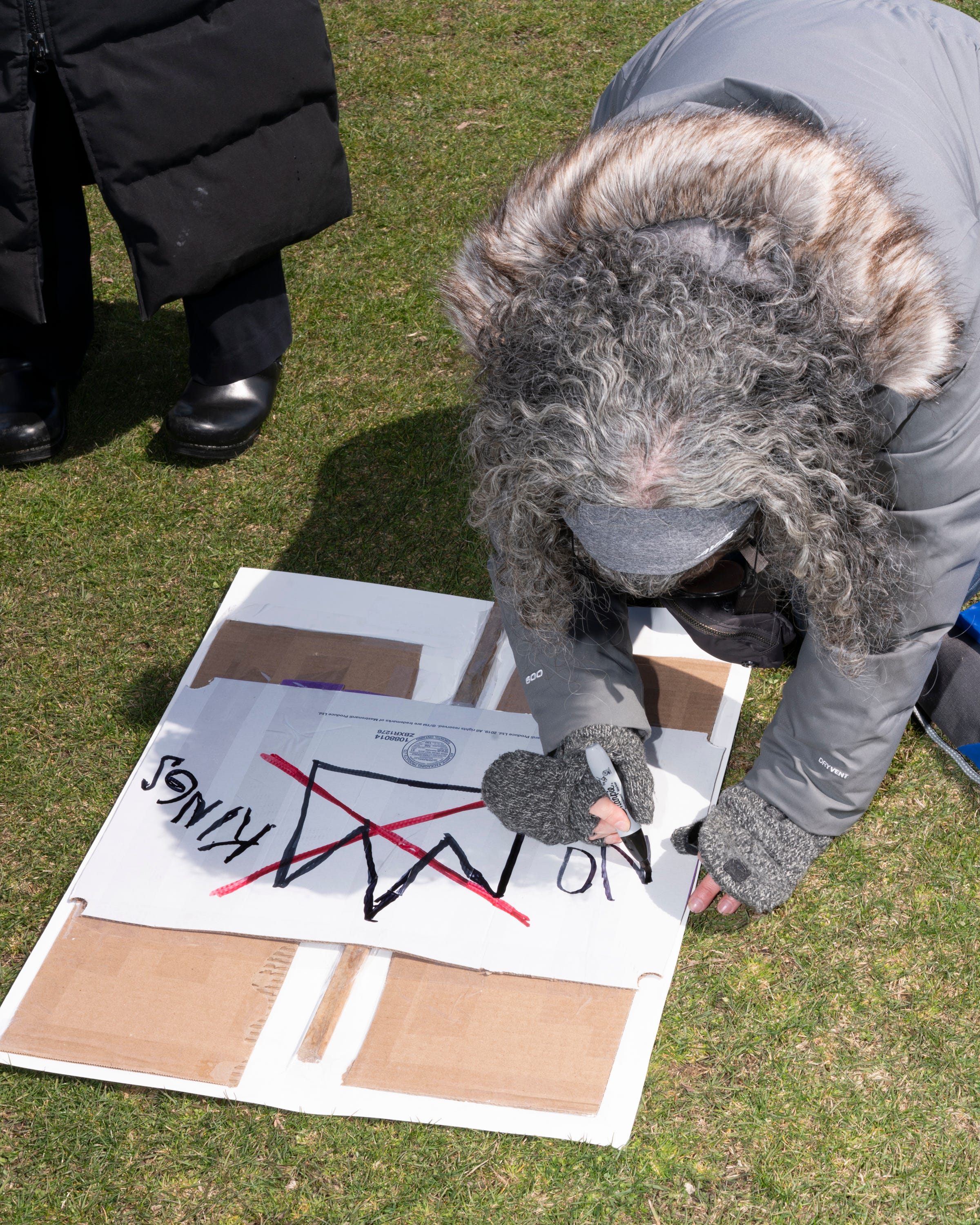
The greatest threat to this movement is letting the demonstrations become their own reward. Marching with millions feels like progress. It is not the same thing as progress. The energy is real. The anger is justified. But energy without direction dissipates, and anger without strategy loses. A movement that peaks at a march and then disperses is not a sustained movement. It is a very large event.
The momentum that the No Kings movement has built needs to be directed into action that shifts political power: general strikes, coordinated civil disobedience, strategic boycotts, sustained pressure on legislators and institutions, and electoral mobilization that converts marchers into voters. Mutual aid networks that build community resilience from the ground up matter too.
The ACLU, the NAACP Legal Defense Fund, and a growing network of state-level organizations have been filing and winning legal challenges with real consistency. Rapid response networks and mutual aid efforts are underway. Ordinary citizens are showing up daily to disrupt ICE operations and engage in civil disobedience. All of these efforts would benefit from more support from the people who march.

If Saturday’s energy is not quickly organized into specific commitments aimed at specific targets, it will follow a familiar pattern: a peak, a dispersal, a gradual return to private life, and an administration that is counting on exactly that.
The 3.5 percent threshold is no longer a theoretical benchmark. It is a number within reach. Three million people stand between this movement and the organizing milestone that, historically, no government has been able to withstand. But scale alone has never been enough. As the movement grows, it must be matched by strategic action: disciplined, targeted, and sustained long after the march ends.
So if you marched at No Kings, that matters. Don't let it be your last action. Find an organization in your community doing sustained work and show up for it. Join a union. Attend a city council meeting. Canvass for a local candidate. Participate in a coordinated economic action. Call a legislator. No one can do everything, but everyone can do something. Pick one. Start there.
Notes
¹ Erica Chenoweth and Maria J. Stephan, Why Civil Resistance Works: The Strategic Logic of Nonviolent Conflict (Columbia University Press, 2011). For the 3.5 percent threshold applied to the United States, see Erica Chenoweth, “My 25 Years of Studying Nonviolent Resistance Bring Me Hope,” Boston Globe, December 27, 2023.
² For Chenoweth’s taxonomy of tactics and the conditions under which civil resistance campaigns succeed or fail, see Why Civil Resistance Works, chapters 2 and 3. See also the NAVCO Data Project, Harvard Kennedy School.
³ Erica Chenoweth, “Questions, Answers, and Some Cautionary Updates Regarding the 3.5% Rule,” Carr Center Discussion Paper Series, Harvard Kennedy School, April 2020. See also Erica Chenoweth, Civil Resistance: What Everyone Needs to Know (Oxford University Press, 2021), 45–67